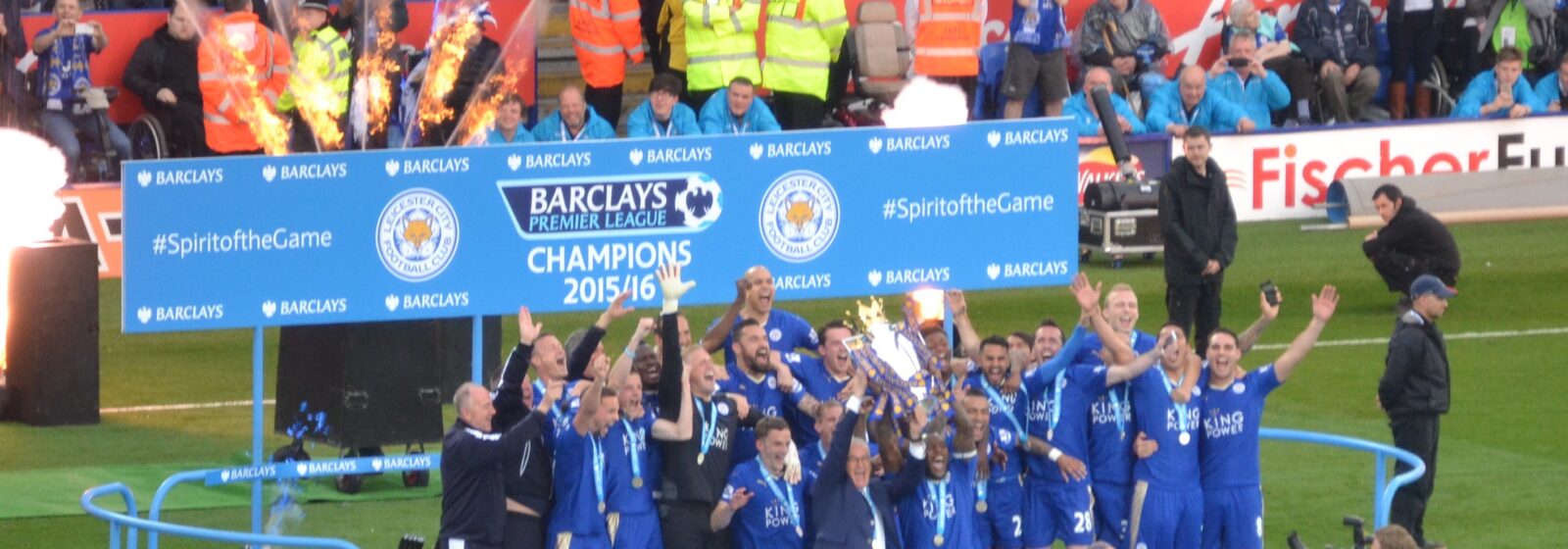
Since its breakaway launch in 1992, the Premier League has grown from a domestic rebrand of England’s old First Division into what is widely regarded as football’s most globally followed league competition. Its matches are broadcast into homes across virtually every continent, and its clubs regularly draw supporters far beyond the towns and cities they represent.
A competitive, evenly distributed product
Part of the league’s appeal is structural: with 20 clubs playing 38 matches each across a single table, results are rarely predictable from week to week. Mid-table sides frequently take points off the traditional heavyweights, and the physical intensity of English football is often cited by pundits and former players as a distinguishing feature compared with other major European leagues.
Combined with a long history of iconic clubs, stadiums and rivalries, that unpredictability has helped the Premier League build an audience that treats English top-flight football as appointment viewing, whatever the time zone.